Early Years Agency: Supporting Young Learners
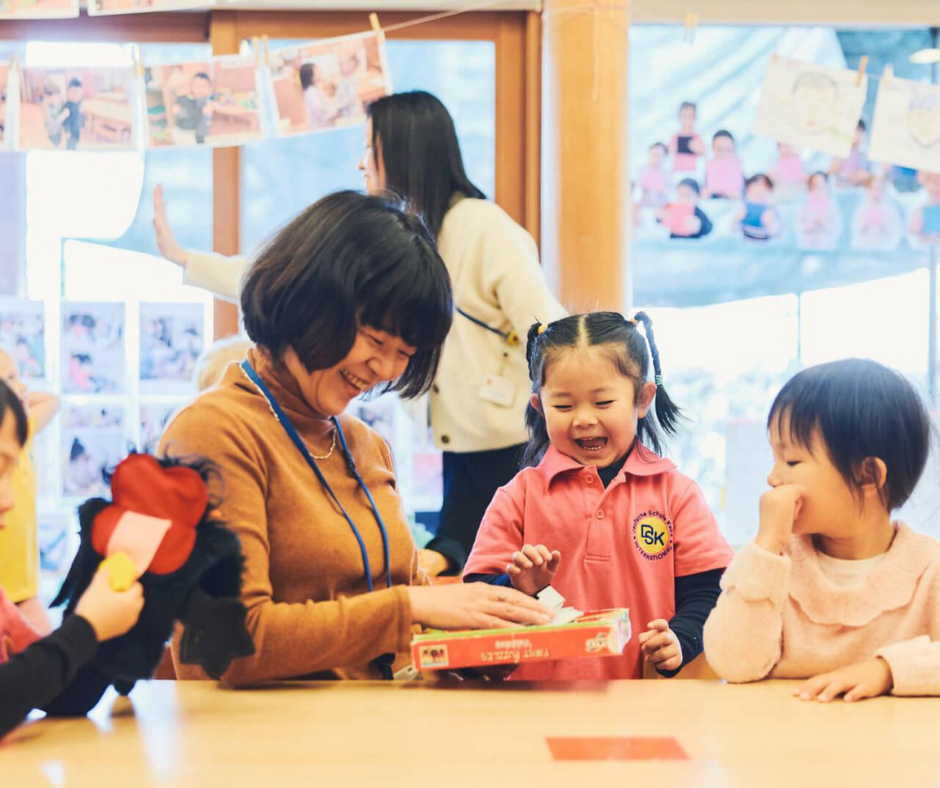
In early childhood classrooms guided by the Primary Years Programme (PYP), the air is often filled with questions, wonderings, and the authentic voices of young children eager to explore, inquire, and express themselves. These are not just signs of play—they are powerful demonstrations of agency in action. But what does agency look like in the early years, and why is it so important?
Within the PYP framework, children are viewed as capable, curious, and active participants in their own learning. Agency is at the heart of this philosophy. It empowers even the youngest learners to make choices, express their ideas, and take ownership of their learning journey. When children have agency, they begin to see themselves as competent individuals with the ability to impact their environment and contribute to their community.
This article explores how agency is fostered in early years classrooms and how parents and caregivers can support this essential part of a child’s development at home.
What Is Agency in Early Childhood?
In the context of the PYP, agency refers to children’s capacity to act independently, make choices, express ideas, and influence their world. According to the International Baccalaureate (IB), “students with agency use their own initiative and will, and take responsibility and ownership of their learning.” Even at age two, children can exhibit signs of agency—choosing what materials to explore, experimenting with how to solve a problem, or communicating their needs with growing confidence.
Importantly, agency is not about giving children free rein; it’s about creating environments where they can safely take risks, reflect on experiences, and engage in meaningful decision-making. It’s where voice, choice, and ownership come together.
Latest
View all